
 Light is Manipulated
Our reflector molds are manufactured through a combination of retroreflector characteristics and expert craftsmanship.
Light is Manipulated
Our reflector molds are manufactured through a combination of retroreflector characteristics and expert craftsmanship.
When light is incident into three mirror surfaces that are orthogonally oriented, it reflects three times and then returns to the original direction. This elegant optical phenomenon is the foundation of all reflex reflector technology.
Unlike ordinary mirrors that reflect light at equal but opposite angles, retroreflectors return light directly back to its source — regardless of the angle of incidence — making them uniquely effective for road safety applications.
Retroreflection is an optical phenomenon in which incident light is efficiently reflected back toward its source. Reflectors that utilize this property are called retroreflectors. Ordinary mirrors reflect light in a single direction (specular reflection), while surfaces with fine irregularities—such as walls—scatter light in various directions (diffuse reflection). In contrast, a retroreflector reflects light back toward the direction from which it was emitted (retroreflection), providing high visibility to people near the light source even at night. This retroreflection mechanism works exceptionally well with automotive headlights, making it an indispensable technology for improving road safety. For this reason, retroreflectors are used in a wide variety of products, including automotive reflectors, road signs, road studs, delineators, bicycle reflectors, and safety vests. Retroreflectors come in various types, such as corner-cube types that utilize a fine prism structure and types that use glass beads, and the appropriate type is selected based on the application and required performance. Reflectors with high retroreflective performance, weather resistance, and durability contribute significantly to preventing traffic accidents and ensuring safety at night.

Reflex reflectors provide critical visual guidance to drivers, especially at night, ensuring safe and smooth traffic flow even in low-visibility conditions.
Reflex reflectors are entirely passive —
they function solely by reflecting light from other sources such as headlights, requiring zero energy input of their own.
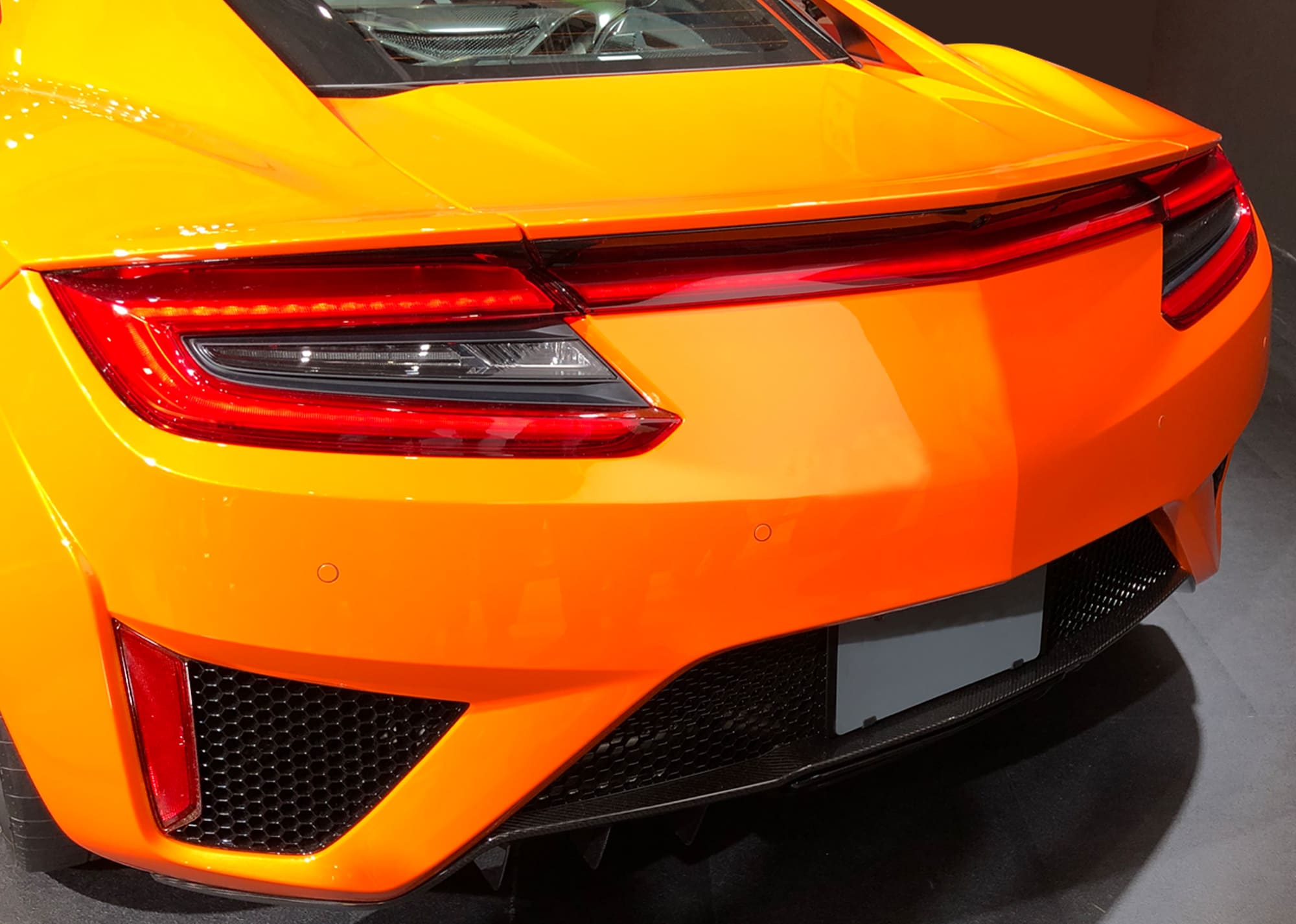
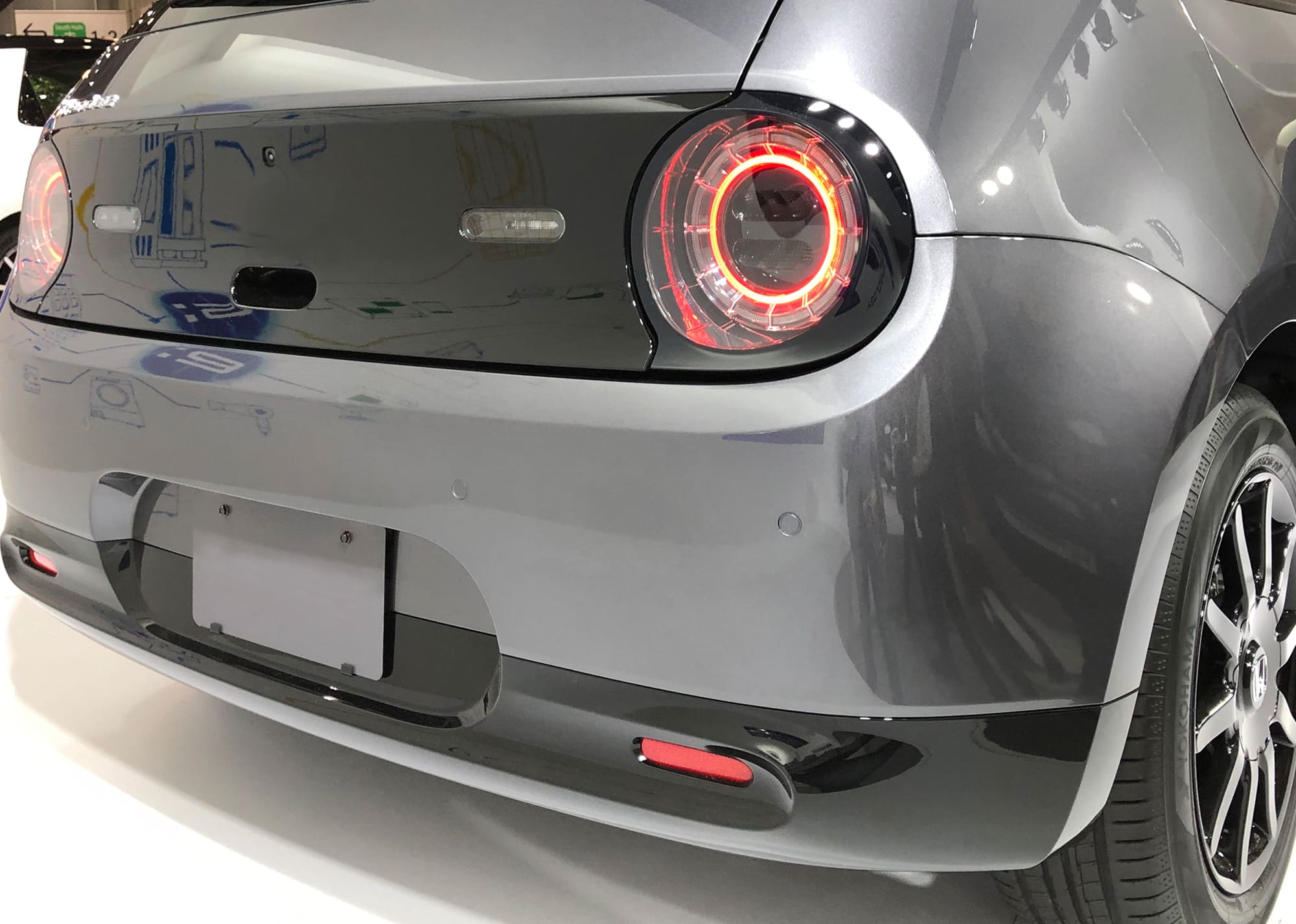

In today's automobile society, safety concerns are at an all-time high. Reflex reflectors play an increasingly vital role in preventing accidents and guiding traffic at night.

As environmental concerns grow, the passive, energy-saving nature of reflex reflectors makes them an ideal solution — no power consumption, no emissions, no waste.

With rising safety regulations and sustainability demands, reflex reflectors have increasing importance across automotive and infrastructure applications worldwide.

